
Checked against the sources listed below on the date shown. Rules, fees and prices change, so confirm with the official source before you travel.
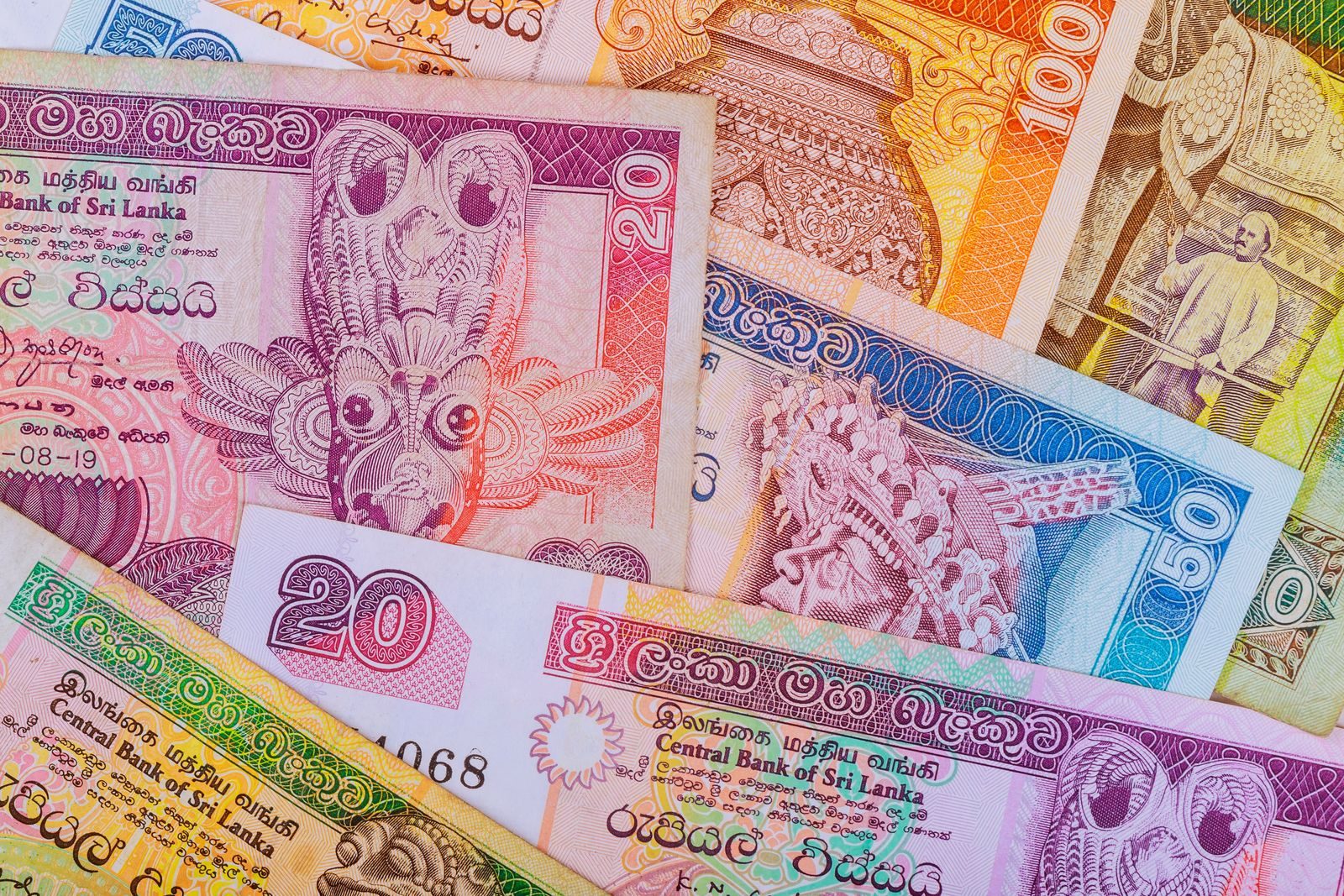
Sri Lanka uses the Sri Lankan rupee (LKR). Cards work in hotels, larger shops and restaurants, but cash is still king for tuk-tuks, small shops and markets. Here's how to handle money safely and stay connected from the moment you land.
Quick answers
- Cash or card? Both: cards in hotels and bigger shops, cash for tuk-tuks, buses, temples and small places.
- ATMs? Common in towns, but not all take foreign cards. Use ATMs inside banks or hotels.
- SIM card? Buy one on arrival from a mobile operator, or set up an eSIM before you fly.
Cash and cards
- Most major banks' ATMs accept Visa and Mastercard; some smaller machines don't take international cards.
- Card fraud is a known problem, so prefer ATMs inside banks, hotels or shopping centres, and cover your PIN.
- Tell your bank you're travelling, and carry a back-up card.
- Keep some small notes for tuk-tuks, tips and entrance donations.
Changing money when you land
- After customs at Bandaranaike International Airport, several major banks have exchange counters with their rates on display.
- Airport rates are usually fair, but if you'll be in Colombo soon, you can often get a slightly better rate in the city. Many visitors change enough for the first few days at the airport and the rest later.
- Using an ATM in town with a card that has low foreign transaction fees can be cheaper than exchanging cash. Compare on the day: there's no golden rule.
- Avoid carrying large amounts of cash, and keep it split between bags.
What to declare at customs
Sri Lanka Customs asks arriving passengers to declare foreign currency, gold jewellery and gems to the customs officer. If you're carrying a large amount of cash, declare it. Visitors have duty-free allowances for alcohol and souvenirs; see the Customs passenger guide for current limits.
SIM cards and eSIMs
- The main mobile operators are Dialog, SLT-Mobitel and Hutch, and each has a counter in the arrivals hall. A local SIM is far cheaper than roaming on your home network.
- All of them sell tourist packages for different lengths of stay. Data can be topped up online or in shops all over the country.
- You'll usually need your passport to register a SIM.
- One counter being busier doesn't mean it's better: tour groups often gather at one counter while others are free.
- In cities all networks have strong signal. If you're heading somewhere remote, it's worth checking coverage online first.
- Dialog offers eSIMs; check whether your phone supports eSIM and set it up before you travel to be online as soon as you land.
- Coming back again? Leaving a small balance can keep your number active between trips; if not, the network's counter can advise on arrival.
- Messaging apps such as WhatsApp work well over mobile data and Wi-Fi, which is common in hotels and cafés.
Sending money to family?
- If you're a Sri Lankan living abroad, our sister site srilankan.info compares ways to send money home.